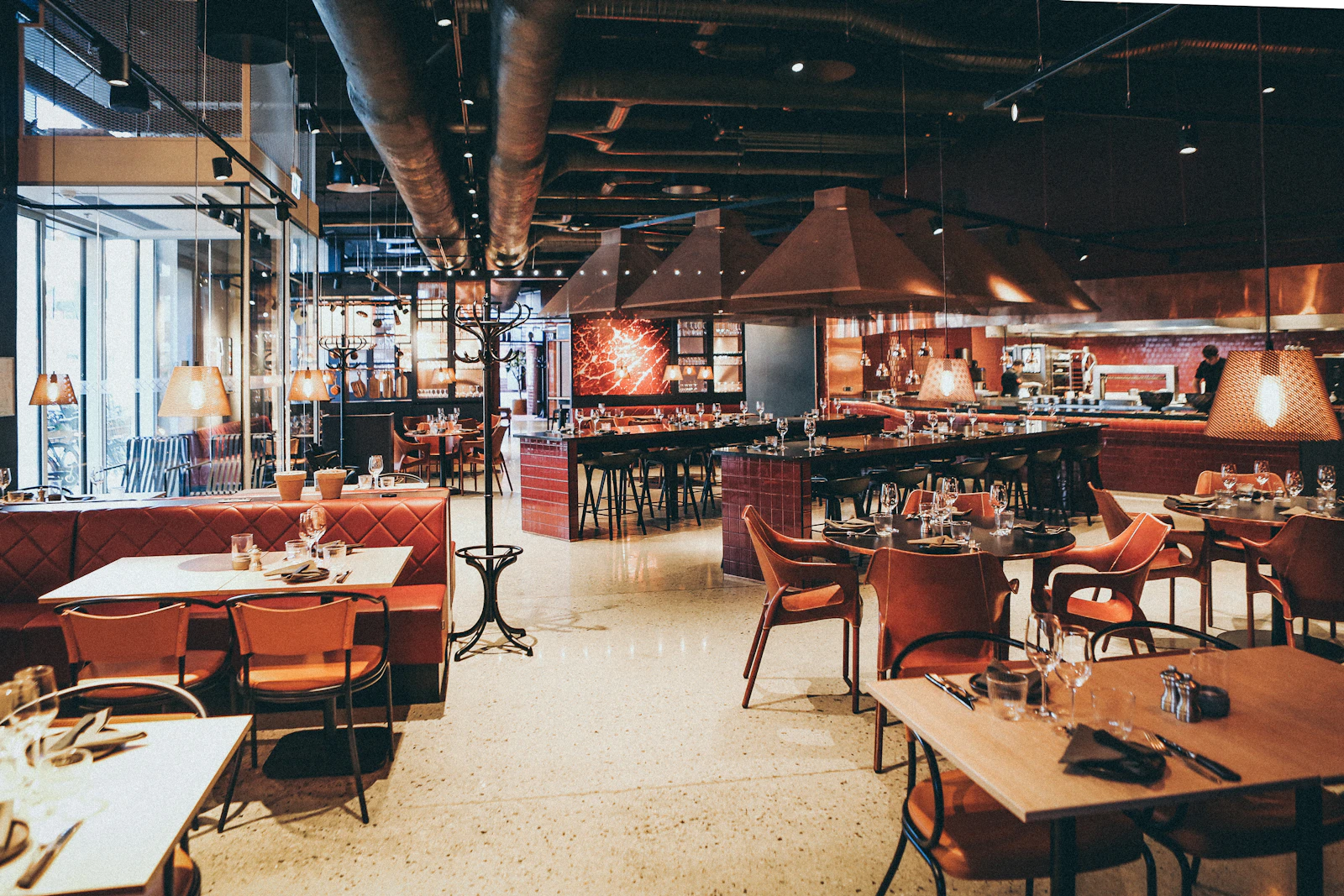
There is no single deep-cleaning interval that fits every restaurant. A high-volume kitchen with long operating hours will usually need detailed attention sooner than a lower-volume location with a limited menu. The best schedule combines routine inspections with a repeatable maintenance calendar.
Factors That Change Cleaning Frequency
- Cooking volume and the amount of grease, smoke, or steam produced.
- Operating hours, overnight access, and how quickly surfaces can dry.
- Equipment layout and whether crews can reach behind and beneath units.
- Flooring, grout, wall, ceiling, and stainless-steel conditions.
- Seasonal peaks, menu changes, renovations, or upcoming internal reviews.
Use a Layered Schedule
Daily work should address active preparation areas, spills, high-touch surfaces, and closing needs. Weekly or monthly detail work can rotate through walls, shelving, floor edges, and selected equipment. A broader quarterly deep-cleaning program can then cover areas that require extra access, labor, or specialized tools.
Watch Condition, Not Just the Calendar
Visible film on stainless steel, darkening grout, residue under equipment, recurring odors, and buildup on walls are signs that the current interval may be too long. Record these observations during manager walk-throughs and adjust individual tasks instead of waiting for the entire program to fail.
Build a Schedule by Zone
Different zones can follow different frequencies. Cooking lines may need more frequent equipment cleaning, while dining carpet, concrete, FRP walls, or acoustical ceiling tiles can be scheduled based on their own condition. At Diamond, we offer both nightly cleaning and periodic deep cleaning so operators can combine maintenance layers.
Contact Diamond Cleaning to discuss a schedule based on your hours, layout, and priority surfaces.